
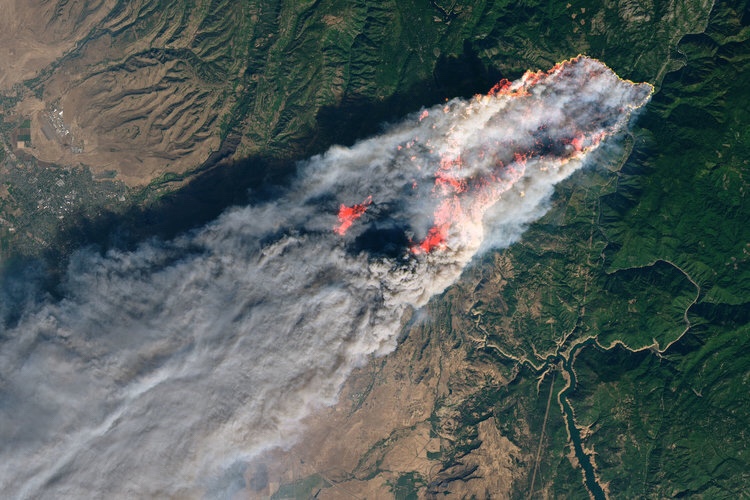
View of California Camp Creek rd. Fire from Space. Winds Carry toxin-laden smoke across wide swaths of land.
Thankfully, with the help of local and out-of-state firefighters, first responders, and even a global supertanker (converted 747 plane), the deadliest wildfire in California’s history is fully contained. Unfortunately, the containment comes with a heavy toll.
The efforts to recover human remains have officially been called off by the Butte Country Sheriff’s Office, leaving the death toll at 88 people. While the sheriff’s office will still respond to any new insights provided on potential remains left undiscovered, officials report nearly 18,000 structures have been searched, and that the sheriff’s office has put forth it’s due-diligence in searching the remains of this tragedy.
However, the bodies and burnt structures weren’t the only remains of this extreme weather event.
Prolonged periods of drought, low levels of precipitation, and a more arid landscape has led to an uptick in California wildfires, which take a heavy toll on the environment and public health.
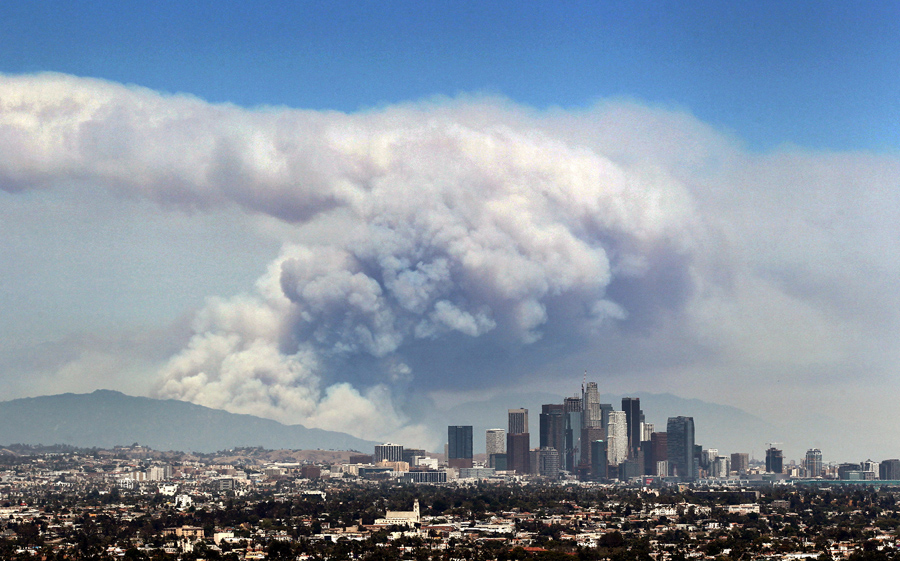
Professor of Preventative Medicine at USC, Kiros Berhane, reminds us that smoke is a noxious brew of chemicals. The most concerning part of this mixture are the microscopic particles, products of an incomplete combustion process, that are small enough to bypass the bodies defenses and lodge themselves in the lungs. Beyond this are the industrial chemicals – it’s not just wood burning when these wildfires get out of control – it’s plastics, asphalt, homes, structures, all of which are sending thousands of different chemicals into the air.
So, who’s at risk?
Berhane is also a contributor to an ongoing epidemiological project called the USC Children’s Health Study, which reports that, as expected, children and elderly, particularly those suffering pulmonary afflictions, are at considerable risk from breathing in this toxic-laden air.
Children’s organs grow at a rapid rate, breathing in toxic chemicals from polluted air during this process of growth greatly increases their chances of developing asthma and other respiratory problems.
However, these are not the only demographics at risk. Healthy, active adults are also being effected by this air pollution.
Ed Avol, another professor of Preventative Medicine at USC, explains to us how younger, active persons can be greatly effected by poor air quality. A jogger, Avol said, inhales roughly 3-5 times the amount of air as a person at rest, while an athlete, or an active worker, inhales 10 times as much air when exerting themselves. This means breathing in even more toxins, more chemicals, and putting an even greater strain on their lungs, respiratory and immune systems.
Talking solutions begs the question – is this uptick in deadly wildfires for California a climate change problem or a policy management problem? Trump would argue the latter, I tend to believe it’s a bit of both.
In my mind, at it’s most simple, we’re experiencing a terrible negative feedback system. It’s undeniable that we’re witnessing an increase in average temperatures – leading scientists believe this climate change to be a product of global warming and increased greenhouse gas emission. Noah Diffenbaugh, a professor of Earth System Science at Stanford University, reports that this effect of greenhouse gas emissions has raised average temperatures per year by roughly 2 degrees Fahrenheit. As temperatures increase, periods of drought lengthen, moisture is reduced, and wildfires experience increased intensity. The problem becomes that with more frequent, and more intense wildfires, we have more frequent and intense air pollution via smoke, which dumps massive amounts of greenhouse gases into the atmosphere furthering the cycle of global warming.
However it is worth noting that lax policies can also share the blame.
PG&E, California’s largest electric and utility supplier, has been linked to 16 of last year’s wildfires, and is thought to be the source of this most recent Camp Creek rd. Fire. Victims of Paradise, a town that was essentially burnt to the ground, have taken it upon themselves to file a lawsuit against the company for damages and negligence.
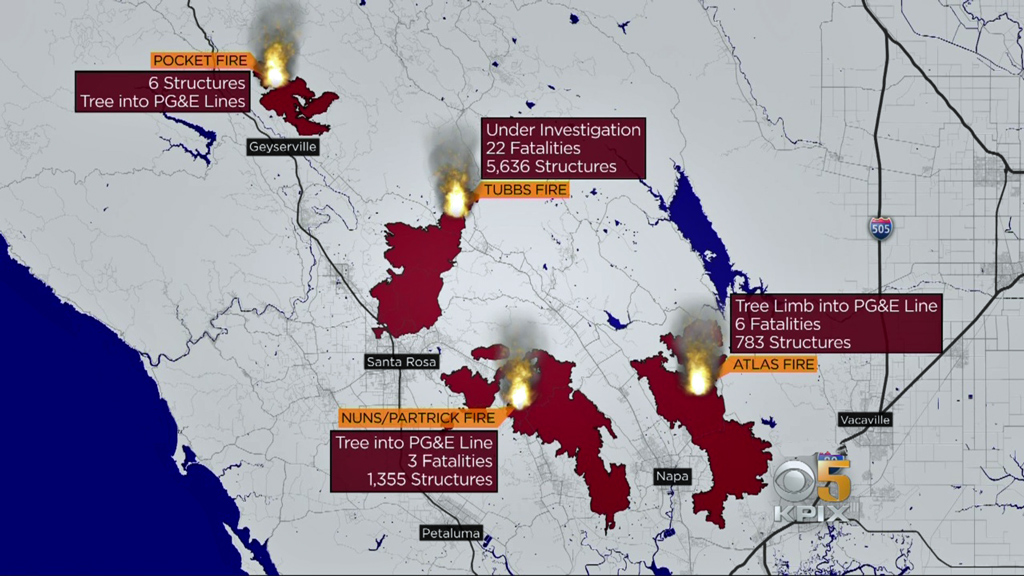
Some say that PG&E is reluctant to shut off these power lines for repair or safety precautions because their mangers bonuses are tied to customer complaints, and when the power is shut off, customers complain, making management extremely hesitant to do so.
Personally, if your company is tied to 16 wildfires in a region that has already been greatly affected by them, clearly something needs to be done to fix the problem. However, what i will say in defense of PG&E is that we are talking about an enormous area of land to maintain, with thousands of miles of power lines stretching in all different directions. I think for us to believe that managing every inch of those lines is a simple task would be naive
It’s undeniable that we are experiencing a period of climate change, and we have to adapt to that. We have to start planning for these extreme weather events. We’ve already noticed the effects of valuing short-term monetary gains over long-term safety precautions when Hurricane Florence hit land on the east coast. Poor coastal management policies led to the destruction of millions of dollars worth of properties.
Whether it’s policy, or lackthereof, or a congregate of climate change and global warming effects, the fact remains that these wildfires are only increasing in frequency and intensity, leaving the public and the environment to suffer the consequences.
 EcoTech